
The Arts Depot
The Arts Depot occupies a former Norfolk & Western Railway freight station, a building typology once ubiquitous across Appalachian railroad towns but now rare in adaptive reuse. By converting the structure into studios and galleries, Abingdon preserved industrial architecture while giving working artists rentable space and public visibility. Visitors encounter painting, sculpture, fiber, ceramics, and mixed media—often in the same afternoon—because the Depot’s layout encourages wandering rather than linear museum marching.
How the gallery system works
The Spotlight Gallery rotates curated exhibitions several times per year, sometimes featuring artists from outside the region whose work dialogues with Appalachian themes. Member artists maintain the members’ gallery with work for sale; price tags usually include artist contact information if you want to commission a larger piece later. Studios at the rear may host demonstrations—watch for kiln firings, loom warping, or figure drawing sessions depending on the day.
Because the Depot is a working facility rather than a hushed white cube, you might hear tools, ventilation fans, or collaborative critiques through open doors. That ambient honesty appeals to travelers tired of sterile gift-shop art. Staff and artists generally welcome sincere questions; avoid touching work unless invited.
Connecting the Depot with downtown and the Creeper Trail
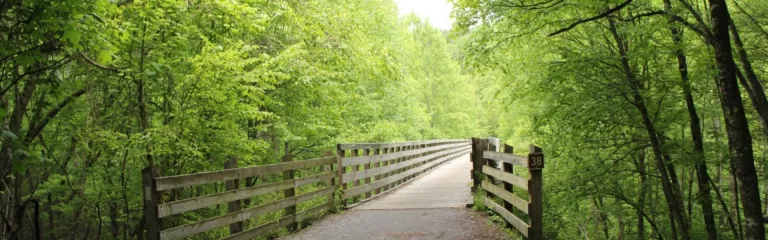
The building sits near the Virginia Creeper Trail corridor, making it easy to combine a short ride or walk with a gallery stop. Many cyclists lock bikes nearby, browse for thirty minutes, and continue toward Damascus or back toward the trailhead. If you are on foot from The Martha, expect a pleasant ten-to-fifteen-minute stroll depending on your route through historic side streets.
Food pairing is simple: Abingdon’s density of cafés means you can grab coffee before opening hours or dessert afterward. If rain arrives, the Depot’s indoor footprint offers shelter without ending your cultural day—nearby Barter or the William King Museum extend the theme.
Purchasing art and shipping logistics
Smaller works pack in suitcases; larger canvases may require crating arranged by the artist. Shipping costs vary with insurance value—negotiate timelines if you need pieces delivered after a flight home. Sales tax rules follow Virginia retail law; out-of-state buyers should retain receipts for any applicable exemptions.
Photography policies differ by exhibition; look for signage or ask the desk before posting close-ups of work for sale. Social tags help artists, but respect portrait rights of other visitors.
Why the Arts Depot matters regionally
Southwest Virginia’s population is modest compared with metro art markets, yet the region punches above its weight in craft heritage. Institutions like the Depot keep young artists from relocating immediately after graduation by proving that viable studio practice exists here. Your admission—often free or donation-based—supports that ecosystem.
Classes, gifts, and slow-looking visits
Workshops listed on the Depot’s calendar transform tourism into skill-building: a half-day pottery session or printmaking intensive becomes the story you tell after the trip. Register early because class sizes stay small for safety around equipment. If you prefer passive browsing, still allocate forty-five to sixty minutes so you can read artist statements rather than skimming walls like a social-media feed.
Gift buyers should consider prints, cards, and functional ceramics that pack flat—fiber art is beautiful but bulky in luggage. Holiday markets sometimes extend hours; winter lighting inside the freight station photographs warmly for family cards. School groups occasionally visit on weekday mornings; independent travelers who want quiet may prefer mid-afternoon slots.
Accessibility, donations, and respectful visiting
Historic freight stations include thresholds, ramps of varying pitch, and occasional cordoned restoration zones. Call or email before visiting if you use a power chair or need seated rest every few minutes; volunteers can often suggest a gentler path through the building. Donation boxes and membership envelopes help fund roof work and climate control that protect both art and visitors.
Avoid tapping glass display cases; oils from skin mark low-emissivity glazing. If children sketch, bring clipboards so pencils do not score wooden sills. Service animals generally follow standard museum etiquette—keep leashes short in tight studios where sculptures project at knee height.
Railroad history buffs: reading the building
Freight doors, loading docks, and ceiling clearances betray how boxcars once aligned for grain sacks versus later palletized goods. Compare original brickwork patches to modern ADA additions—docents sometimes know which storm bent which roof truss. Model railroad enthusiasts should photograph trackbed remnants outside before vegetation swallows them.
If your family spans generations, assign grandparents oral-history prompts about train travel while teens photograph textures for social posts—everyone leaves with a task matched to attention span.
Rainy-day sketchers should carry a small towel to dry benches before sitting—historic wood absorbs moisture slowly and can mark light trousers.
Confirm hours, class schedules, and special openings on the Arts Depot’s official site linked below. The Martha Washington Inn & Spa does not operate the facility; coordinate group visits directly with Depot staff if you need guided experiences beyond public hours.
Quick facts
- Working studios
- Rotating exhibitions
- Near Creeper Trail
The Martha Washington Inn & Spa is not affiliated with this destination; details may change. Confirm hours, fees, and access on the official link before you visit.