
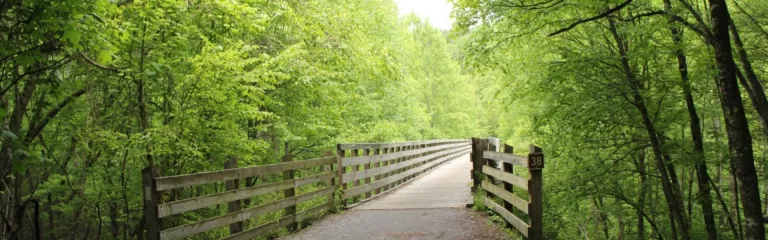
Riverfeet Fly Fishing
Riverfeet Fly Fishing guides anglers across Southwest Virginia and eastern Tennessee, pairing local knowledge of hatches, flows, and access points with instructional patience for beginners and tactical depth for experts. The company’s marketing emphasizes diversity of water—from high-elevation brook trout streams to broad smallmouth rivers and tailwaters below dams—so that guests can match trips to fitness level, season, and available time.
What a guided day actually involves
Most outings begin with safety briefings, knot checks, and casting tune-ups on shore before wading or boarding a drift boat. Guides supply tackle suited to target species, though avid anglers sometimes bring favorite rods after coordinating weight ratings. Lunch may be streamside sandwiches or a scheduled stop depending on itinerary; clarify food allergies when booking.
Photography happens frequently, but guides may restrict drone use near wildlife or private land.
Why guests at The Martha choose guided fishing
Vacation time is finite; guessing access roads or wading legality on unfamiliar water wastes hours. A guide collapses that uncertainty while teaching skills you can reuse on home waters. After a dawn patrol, many inn guests appreciate returning to spa services or a nap before theater.
Pack quick-dry layers even in summer—mountain water stays cold enough for hypothermia risk during thunderstorms.
Licenses, gratuities, and weather
Virginia and Tennessee fishing licenses are not interchangeable on border waters; your guide will specify what to purchase online before arrival. Gratuities for professional guides typically run fifteen to twenty percent of trip price when service warrants. Lightning cancels floats abruptly—build buffer days if fishing is the emotional centerpiece of your vacation.
Catch-and-release policies vary by water; ethical anglers minimize air exposure for fish destined to swim away.
Environmental stewardship
Guides often participate in stream cleanup days and invasive species monitoring; ask how you can donate time or funds. Avoid felt-soled boots where banned to prevent aquatic hitchhikers.
Gear, fitness, and realistic expectations
Wading requires balance on slick rocks; guests with ankle injuries should disclose them when booking so guides choose gentler stretches or boat-heavy floats. Polarized sunglasses reduce glare and protect eyes from errant hooks—cheap pairs scratch but work fine for a single trip. If you wear reading glasses for knot tying, bring a floating retainer strap.
Beginners often fixate on trophy fish counts; guides sometimes reframe success as clean casts, safe wading, and identifying three aquatic insects. That mindset keeps morale high when drought or cold fronts slow feeding. Hydrate more than you think—waders trap sweat even when water feels icy.
Sunscreen, bugs, and sharing water ethically
Mountain streams reflect UV from below as well as above; apply reef-safe sunscreen to faces and backs of hands even on cloudy guide days. Tick checks after bushwhacking access trails belong in your evening hotel routine, especially if dogs accompanied scouting missions on private land boundaries. Never transport live bait between watersheds without explicit legality—invasive species rules exist to protect brook trout strongholds.
If you photograph fish, keep subjects submerged for the hero shot except brief lifts when guides approve; viral grip-and-grin images often stress smaller trout more than anglers realize. Share water by yielding runs to wade anglers moving upstream when etiquette calls for it; your guide will model those negotiations.
Multi-day guests sometimes book a walk-wade day followed by a float day to compare perspectives on the same watershed after rain changes flows—ask whether discounts exist for back-to-back bookings. Journalists and creators should disclose sponsored content rules if they plan to monetize footage.
Tailwaters, generation schedules, and generation noise
Dam-controlled tailwaters behave unlike freestone creeks: a morning of low, wadable flows can transform when upstream turbines release water. Guides monitor Army Corps or TVA pulse schedules when applicable; never wade deeper than your comfort zone because a distant siren can precede rising water faster than novices expect. Bring cleated boots or studs your outfitter recommends—smooth felt alone sometimes loses grip on algae-slick steps below dams.
Smallmouth rivers reward early starts before recreational jet traffic peaks; bass often hunt shade lines under willows until sun angle changes the bite. Brook trout headwaters demand softer presentations—leave the heavy streamer box at the lodge if your guide suggests dry flies and long leaders instead.
If your trip includes both Virginia and Tennessee segments, pack two state fishing regulations PDFs offline; creel limits and bait rules diverge in ways that confuse even experienced anglers. Hotel ice machines help preserve a legal keeper for the chef only when regulations allow harvest; many trout waters remain catch-and-release only.
Non-angling spouses sometimes join floats with e-readers and sunscreen; confirm bench seating comfort before booking a full eight-hour day. Photography-oriented trips should mention lens preferences up front so guides rig rod holders that stay out of frame.
Book directly through Riverfeet Fly Fishing’s official site linked below. The Martha Washington Inn & Spa does not set guide schedules or pricing.
Quick facts
- Licensed guides
- Walk-wade & floats
- SWVA & East TN waters
The Martha Washington Inn & Spa is not affiliated with this destination; details may change. Confirm hours, fees, and access on the official link before you visit.