
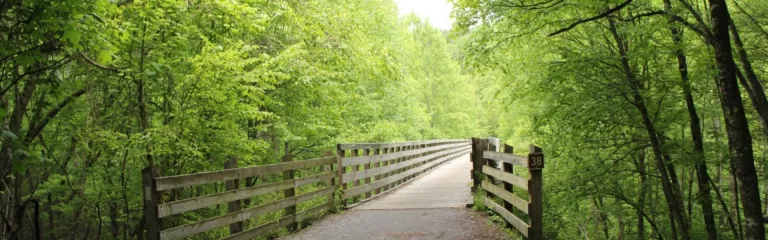
South Holston Lake
South Holston Lake spreads across roughly 7,850 acres where the Blue Ridge highlands meet the Tennessee Valley, shared between Virginia and Tennessee. The reservoir supports boating, fishing, wildlife viewing, and shoreline hiking, with long views punctuated by islands and forested coves. For guests based at The Martha Washington Inn & Spa, the lake represents a different pace from downtown theater and dining—wide horizons instead of brick sidewalks.
Recreation patterns visitors follow
Warm months bring pontoon rentals, wake sports in permitted zones, and quiet paddleboarding at dawn when water mirrors the sky. Anglers pursue bass, walleye, and trout depending on season and regulations; consult Virginia and Tennessee licensing rules because the state line bisects fishable water. Hikers may prefer shoreline trails in Washington County parks or connected public lands rather than bushwhacking private docks.
Wildlife watchers scan for osprey, eagles, and migratory waterfowl; binoculars reward patience on breezy points. Swimmers should use designated areas with clarity on boat traffic—open water carries real risk when skiers cut across swimming coves.
Planning distances and driving loops
Although the lake feels omnipresent on regional maps, your chosen ramp may be thirty to sixty minutes from Abingdon depending on traffic and road choice. Many guests build a loop: breakfast downtown, mid-morning put-in, late lunch near Bristol, and return to The Martha for spa appointments or dinner. Fuel boats before remote stretches because marina hours vary.
Cell service drops in narrow valleys; download offline maps and share float plans with someone on shore. Lightning protocols on water are stricter than on land—monitor weather apps with marine settings.
Stewardship and shoreline etiquette
Pack out all trash, including monofilament fishing line that entangles wildlife. Respect no-wake buoys—they protect docks, nesting birds, and swimmers. If you beach on an island, verify ownership; some strips remain private despite appearing deserted.
Seasonal drawdowns for flood control or power generation can expose mudflats that look walkable but trap boots—ask locals before exploring new terrain.
Pairing lake days with Abingdon evenings
Sunburned shoulders and wind-tangled hair clean up well before Barter curtain if you budget shower time. The inn’s spa services can soothe sore paddling muscles—book treatments before lake day so therapists know about bruises or dehydration.
Rentals, ramps, and first-time boaters
If you charter a pontoon for the first time, insist on a thorough walkthrough of life jacket sizes, fire extinguisher location, and anchor technique—mountain lakes become surprisingly rough when afternoon winds funnel between ridges. Non-boaters can still enjoy the lake from picnic areas with shade trees; pack camp chairs and a portable grill only where regulations allow open flame.
Photographers chasing misty mornings should arrive before sunrise with headlamps; boat ramps grow crowded by mid-morning on holiday weekends. After a lake day, dry swimwear thoroughly before packing—humidity in hotel closets can mildew fabrics overnight.
Leave-no-trace picnics and pet policies
Shoreline picnics shine when you pack collapsible trash bags and zip-top containers for organics—raccoons learn fast if even apple cores hit the brush. Many public areas restrict glass bottles because bare feet and shards do not mix. Dogs may be welcome at certain parks but require leashes and waste bags; heat on aluminum boat decks burns paw pads, so bring booties if your retriever rides along.
Jet-ski and wake-sport etiquette includes circling wide of anchored fishermen and kayakers; their lines are nearly invisible from a planning wake. If you hear sirens at a ramp, yield lanes for emergency vehicles—volunteer rescue squads train on these waters and seconds matter.
Sunset runs, stargazing, and shoulder-season solitude
September evenings often glass off for mirror-calm photography; bring a tripod for the dock but respect private marina rules about after-hours access. Stargazing from a gently rocking pontoon beats hotel balconies when light pollution drops—download a constellation app before you lose signal mid-lake.
Shoulder-season weekdays deliver empty ramps and discounted lodging packages regionwide; pack extra fleece because mountain lake breezes cut through fleece faster than coastal humidity suggests. Spring pollen coats decks yellow—carry allergy meds if cedar and oak trigger you.
Birders track migration windows on eBird hotspots near public access points; combine binoculars with a field guide to eastern warblers printed on waterproof paper. If you paddle, bright flag colors help powerboaters spot low profiles in chop.
Houseboats, anchors, and quiet coves
Extended-stay houseboat renters should confirm pump-out station hours on both sides of the state line—holding tanks fill faster with full guest loads. Anchor etiquette includes adequate scope ratio for wind shifts; inexperienced operators benefit from marina staff coaching before first-night anchoring. Quiet coves invite acoustic guitars until local quiet hours; check county noise ordinances before midnight singalongs.
Official access points, marina directories, and safety advisories change; rely on Visit Abingdon Virginia’s South Holston hub plus Tennessee Wildlife Resources Agency or U.S. Army Corps of Engineers/TVA materials as appropriate. The Martha does not operate boat rentals.
Quick facts
- 7,850-acre reservoir
- VA–TN border
- Boating & fishing
The Martha Washington Inn & Spa is not affiliated with this destination; details may change. Confirm hours, fees, and access on the official link before you visit.